
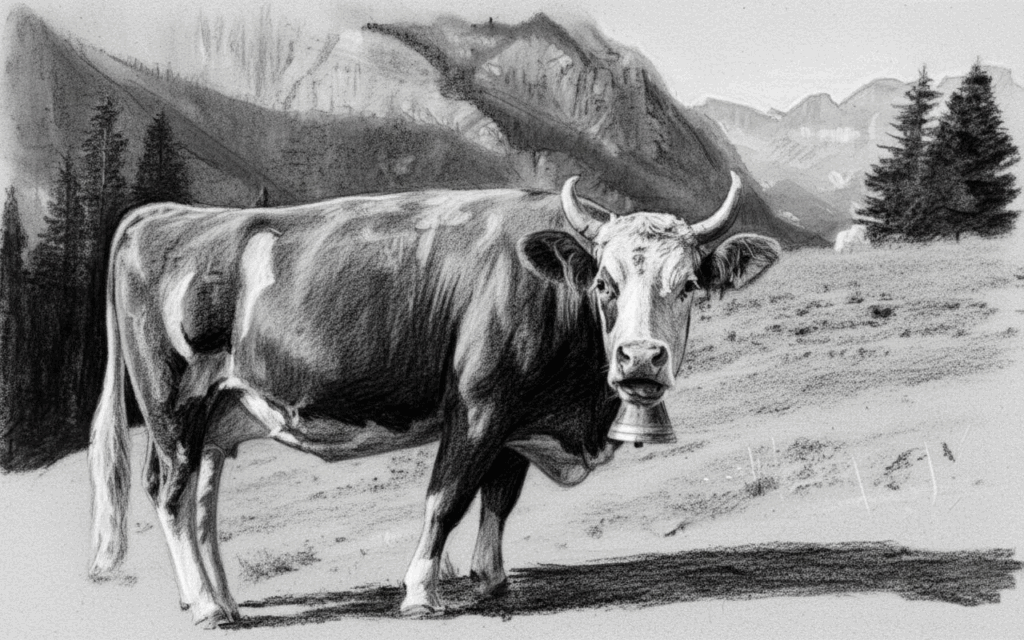
leather.
Leather is a manufactured, natural polymer, protein product. Leather, hide, or skin is animal skin that is cleaned of hair, treated – ‘tanned’ respectively – to preserve it. It is then finished with a specific color, embossing or feel. Leather is a byproduct to the meat industry and certain imperfections exist, like scars, bug bites and wrinkles. These affect the grading and selling price of a leather piece.
The layers of a hide have different impacts on quality and final use. Generally, there are four types of layers: full grain, top grain, split / genuine, and reconstituted / bonded leather.
Most leather comes from bovine animals, like cows, sheep and goats. Other hides, used on a much smaller scale for luxury goods, are derived from snakes, alligators, crocodiles, kangaroos, ostriches, deer and fish. A sustainable use of a leather includes to make sure the source providing the hide is a byproduct of the meat industry.
More than half the world’s supply of raw leather comes from developing countries in Africa, Asia and Latin America. China is the biggest buyer and processor of leather.
Tanning
Tanning is the process that turns a hide into leather. The treatment used stabalizes the protein structure and prevents bacteria, putrefaction and coloration.
There are different techniques when it comes to tanning. The currently most popular and simultaneously most harmful technique is chromium tanning. Hides are soaked in drums of water, chromium salts and tanning liquor to stop them decomposing and to give a supple, colour-fast leather. It produces a slush of chemicals and gases, including carcinogenic chromium (IV) which often flows directly into local waterways. This is so noxious that strict regulations governing it have forced the closure of tanneries in the US and Europe, subsequently making China one of the biggest leather exports. Chromium tanning’s popularity is thanks to the leather tanning process being shortened significantly – a hide can be tanned within less than 24 hours.
Other tanning techniques include: latigo tanning, aldehiyde tanning, oil tanning, zeolite tanning and vegetable tanning.
Latigo tanning combines the vegetable and chrome tanning process and is therefore also known as ‘semi-vegetable tanning’. It is mostly used on heavyweight hides. It first uses the chrome tanning method and then the vegetable tanning method. This makes the leather both durable and pliable.
Aldehyde tanning is typically used for leather used in automobiles and shoes for infants. Glutaraldehyde – a colorless, oily liquid with a sharp, pungeant odor, used mostly for disinfecting and sterilization of surfaces – or oxazolidine compounds are used in this tanning method.
Oil tanning typically uses fish oil after the vegetable tanning process. This tanning method makes the leather more pliable and soft and is common in shoemaking. The use of fish oil is controversial since it’s derived from the fish species oily fish, which can lead to overfishing or overbreeding.
Zeolite tanning consists of hydrated aluminosilicate minerals, which are naturally occurring materials composed of aluminium, silicon and oxygen. The building blocks of the zeolite are silica and alumina, which can be recycled in a circular manner to create future materials, making it a sustainable tanning option. Zeolite can absorb or release water, depending on temperature, which allows water absorption without swelling, making zeolite a desirable tanning compound. Zeology, a Zeolite tanned leather product, which was developed and produced by the company Nera is Cradle2Cradle Platinum certified.
Vegetable tanning uses tannins from the leaves, wood and bark of plants, which then bind to the collagen protein in the hide. This process takes roughly 40 to 60 days. It is less water-soluble – producing less harmful waste – and is more resistant to bacteria, making it a more sustainable tanning option. A vegetable tanned leather product is biodegradable.
Vegetable tanning is gaining popularity again due to consumer demand. Subsequently making way for different vegetable tanning sources like rhubarb tanning developed by German company Deepmello and tanning with olive leaves – a by product of olive farming – by Moore and Giles, which also carries a Cradle2Cradle Gold Certification.
Dyes
Up until the mid-19th century, almost all dyes were made from materials found in plants (indigo, woad, woad, madder, brazilwood, tumeric and others), animals (shellfish purple, cochineal), and minerals. While dyes of the past were natural compounds, today most are synthetic dyes made with aniline. Aniline is a synthetic oil produced from the tar of hard coal, resulting in a colorless, odorless and toxic substance. Aniline can be toxic if ingested, inhaled, or by skin contact. Aniline is still widely used, but due to environmental and health concerns alternatives are being sought out. Aniline dyeing nowadays uses water-soluble transparent dye to conserve the natural character of leather.
Issues
Animal Welfare
An estimated 3.8 billion animals are used to make leather each year. There are ethical issues around any animal product in fashion and in leather’s origins as a by product of the meat industry, there are also animal exploitation issues to consider. This includes the condition under which they are reared, raised and slaughtered.
Environmental Impact of Leather
The leather tanning process as well as extensive farming of livestock have severe environmental impacts, such as deforestation, water-use and waste, land-overuse, loss of biodiversity due to toxins and carbon emission.
Human impact
Working in a tannery is extremely hazardous. Often tannery workplaces provide very few to no workplace protections, such as providing protective work gear, regulating the exposure to toxic chemicals and gases and setting age restrictions. Children as young as 10 year old start working in tanneries, where the use of bonded labor has also been found.
+ PROS
what it gives.
- Material becomes softer, more flexible and relaxed over time
- durable
- strong
- available in different thicknesses
- is not susceptible to dust mites and other allergens
- easy to clean
− CONS
what it asks.
- leather marks easily
- Leather is more sensitive to fluctuations in temperature, where it can feel warmer in summer and rather chilly in winter.
- limited when it comes to color and pattern
ADVICE
what to look for.
A good place to start when thinking about working with leather is The Leather Working Group (LWG). LWG is a sustainable leather supplier who uses a protocol to gauge compliance and environmental practices within the leather industry.
When is comes to tanning, consider Zeology produced by the company Nera who are Cradle2Cradle Platinum certified, Vegetable Tanning Associations like Tan,ners Extract Producers Federation (TEPF), who is dedicated to spreading best practice among tanners to promote vegetable leather use for designers and consumers, or alternatively The Genuine Italian Vegetable Tanned Leather Consortium which brings together 20 Italian tanneries who can use the trademark “Pelle Conciata al Vegetale in Toscana”.
Also, consider using alternative materials to leather. There are many leather alternatives currently being explored with similar characteristics.
SOURCES & FURTHER READING
where this comes from.
https://commonobjective.co/article/fabric-switch-the-leather-guide#2
https://commonobjective.co/article/fibre-briefing-leather
https://materialarchiv.ch/de/vacuum/s=ma:Procedure;detail=ma:procedure_4360fa1e-5f01-470d-8755-f79a44e3ba57#ma:procedure_4360fa1e-5f01-470d-8755-f79a44e3ba57-ma:has_process_information
https://newworldencyclopedia.org/entry/Tanning_(leather)
https://maharam.com/stories/barbe_the-history-of-leather-tanning
Textilepedia, Fashionary International Ltd, 2020
https://neratanning.com/knowledge/zeology-zeolite-tanning/
https://c2ccertified.org/fashionpositivematerials/mz-8132-zeolite-based-leather-tanning-agent-smit-zoon-bv
https://monbiot.com/2006/06/21/not-enough-fish-in-the-sea/
wwwn.cdc.gov/TSP/ToxFAQs/ToxFAQsDetails.aspx?faqid=449&toxid=79
