TOOLBOX / FIBERS / KAPOK

kapok.

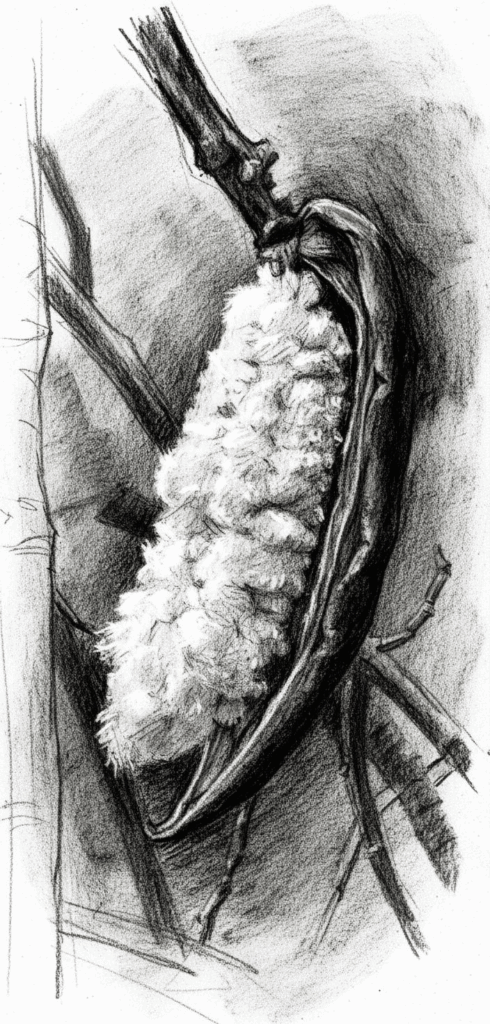
Kapok is a natural cellulose seed fiber. The kapok fiber is derived from the fruit of the kapok tree and originated from South America and Africa, although nowadays it’s mainly exported from Asia.

It is often referred to as “poor man’s silk” for its silky touch but less expensive cost.

Like other fibers listed, no pesticides or fertilizers are required for its production.

Untreated kapok is compostable. Things like dye, toxic chemicals, blended fibers and trims can hinder its compostability.

+ PROS

what it gives.

  • is very lightweight
  • is soft on the touch
  • is water repellent
  • is hypoallergenic
  • has warming qualities

− CONS

what it asks.

  • is not spinnable, therefore it can only be used merged, felted or for filling purposes
  • harvesting is only possible by hand and often insufficient health and safety conditions are provided
  • low durability

ADVICE

what to look for.

Get in contact with your potential supplier in order to assure it has been produced under good working conditions and fair wages.

SOURCES & FURTHER READING

where this comes from.

https://materialarchiv.ch/en?type=all&q=kapok

https://www.textileschool.com/183/kapok-or-capok-fibres/

Textilepedia, Fashionary International Ltd, 2020