
TOOLBOX / FIBERS / CASHMERE

cashmere.

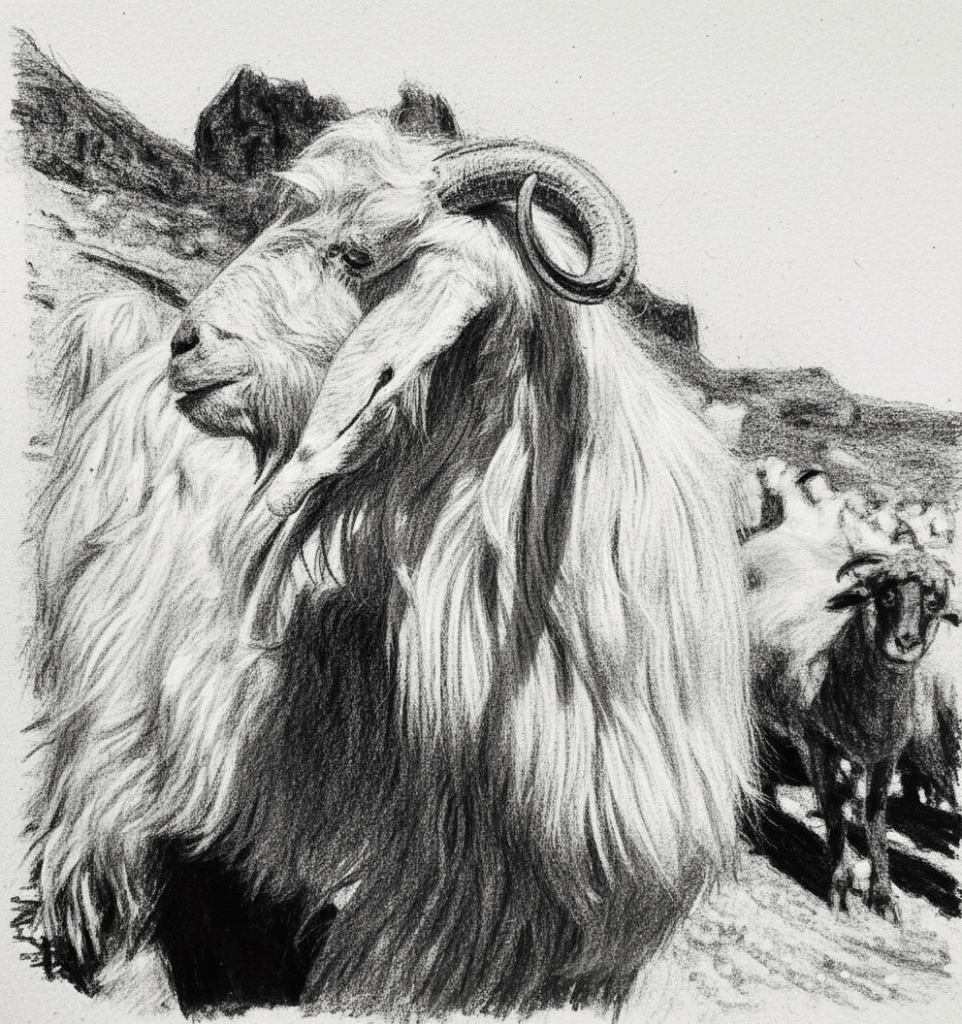
Cashmere is a natural protein fiber. Its wool fiber is obtained from the undercoat of the Cashmere goat. The name cashmere derives from an old spelling of Kashmir, the region of its production and trade origin.

Cashmere wool has found its use in textiles for centuries. It is considered a premium fiber, due to rare production and very soft texture. The use of Cashmere fibers date back to the 13th century and reached their greatest popularity in the early 19th century.

Cashmere goats have two-coated fleece, of which the secondary follicles produces the down and therefore the primary source of warmth during the winter months. These follicles are then combed out by hand in spring, when the down coat is ready to shed. The fiber quality depends on length, softness and color. The yield of cashmere is quite limited, for example the undercoat yields of 4 to 6 cashmere goats are needed to produce one sweater. Although cashmere goats live in free range conditions, different animals rights organisations have reported inhuman yielding methods.

The quality of a yield strongly depends on environmental factors like temperature and diet. For this particular reason Cashmere production is limited to only a few locations worldwide. Therefore almost 90 percent of cashmere we use in production today derives from China and Mongolia. Other potential grassland regions for cashmere production can be found in Tibet, Afghanistan and Iran.

More goats lead to more grazing, which means Grasslands suffer from the loss of plants species, since goats tend to be less picky than sheep while grazing. Additionally, goats have a more aggressive feeding tendency, which leads to ripping the plants from the ground with the root and their hoofs trampling the top soil, ruining the plant and root system itself in the process. This all leads to poor and inadequate nutrition for the goats, which then means rougher fibers. Rougher fibers means lesser quality, therefore less profit, leading to accumulating more goats to the herd and following the same cycle over and over again.

Poor farming practices can result in excessive amounts of manure and other toxins entering the soil, causing contaminated waterways.

Cashmere is recyclable. Recycled cashmere leaves a far lesser ecological footprint then primarily sourced cashmere. Financially it also makes sense to recycled this fiber, since the sourcing of this raw material is quite expensive. The procedure consists of separating the fibers in color and tearing and shredding the garment to create new fibers.

Untreated cashmere fiber is completely compostable. Things like dye, toxic chemicals, blended fibers and trims can hinder compostability.

+ PROS

what it gives.

  • is lightweight
  • is soft, silky and extremely fine
  • retains warmth and is comfortable to wear
  • is breathable
  • is hypoallergenic
  • takes dye well
  • absorbs and retains moisture like wool
  • is flame resistant
  • is anti-static

− CONS

what it asks.

  • is weaker than mohair and sheep wool
  • is delicate and prone to pilling and abrasion
  • rather expensive
  • prone to moths

ADVICE

what to look for.

The use of recycled cashmere is strongly recommended. If your fiber is primarily sourced, make sure you work with suppliers with high environmental and social standards and adhere to the strictest animal welfare standards as set forth in the GOTS und GCS (Good Cashmere Standard).

SOURCES & FURTHER READING

where this comes from.

https://www.commonobjective.co/article/fibre-briefing-cashmere

https://cfda.com/resources/materials-hub/materials-index/

Textilepedia, Fashionary International Ltd, 2020