TOOLBOX / FIBERS / APPLE LEATHER

apple leather.

Apple leather is a manufactured, natural polymer, cellulose fiber.

The material was developed by Frumat and is made by Mabel, an Italian manufacturer. Relatively new, the material, which is officially named Apple Skin, was first made into bags in 2019. Apple skin is used for the production of clothes, shoes, luggage and leather goods, but also furnishing accessories, sofas, company gadgets, coatings and much more.

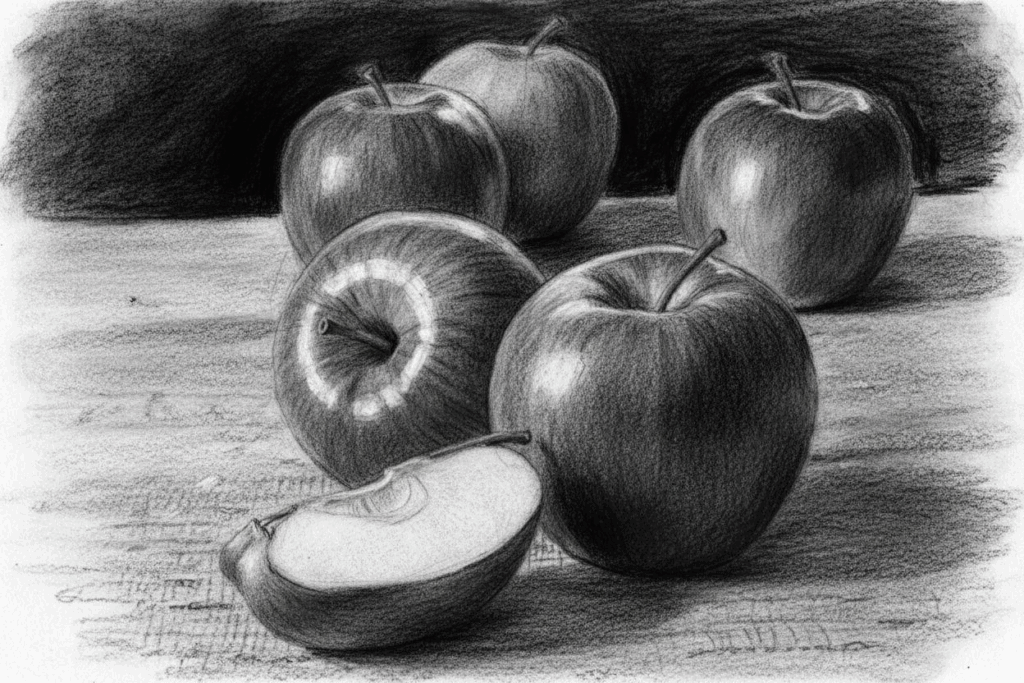
Apple Leather is a bio-based material, which is only partly biological. Apple leather uses waste like seed, stalks and skins of apples leftover after jam production in Tyrol, northern Italy. This waste is then naturally dried into a fine powder. This powder is blended with a resin called polyurethane and then laid flat and dried.

Ultimately the final material is comprised of 50% apple and 50% resin. Considering other comparable materials and their environmental impact with factors like climate, water scarcity, fossil fuel use, eutrophication, and chemistry impact, polyurethane synthetic leather production has less than half the impact animal leather has. Apple leather is therefore less impactful to produce compared to animal leather but fossil fuel-derived material is still not fully sustainable. Being 50% fossil-fuel derived means apple leather is a synthetic material and therefore not biodegradable.

+ PROS

what it gives.


− CONS

what it asks.


ADVICE

what to look for.

Not very transparent – ask them about the process

SOURCES & FURTHER READING

where this comes from.

https://appleskin.com/

https://luxtralondon.com/pages/apple-skin

https://healabel.com/a-fabrics-materials-textiles/apple-leather

https://cfda.com/resources/materials-hub/materials-index/