sisal.
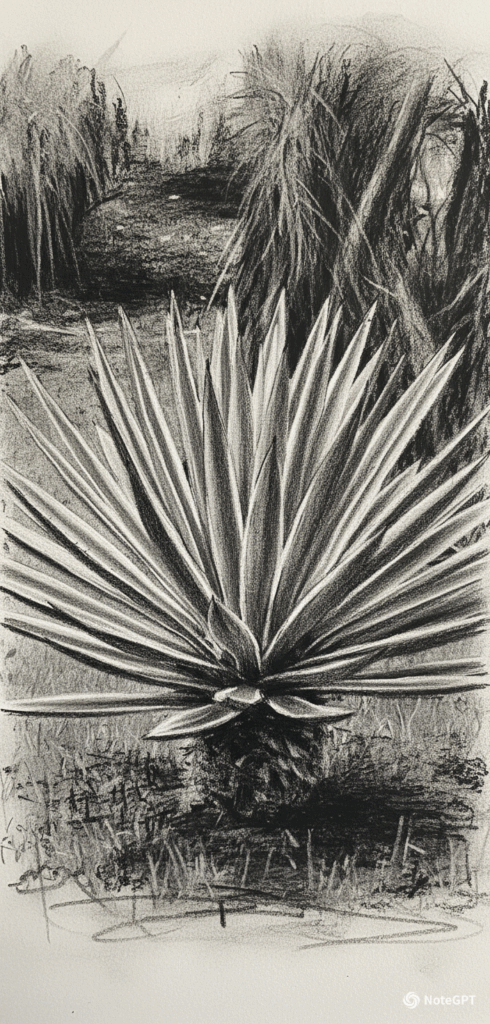
Sisal is a natural, cellulose leaf fiber from the sisal agave and often falsely used synonymously and mistaken for henequen. Sisal is a native plant from Central America, although nowadays Brazil is its main export.
Sisal has been used since pre-Columbian times. It gained popularity in the 19th century.
Sisal is most prevalent for the production of ropes due to its extreme durability. For the fiber extraction, the pulp of the agave needs to be removed, which can be done either by machines or by hand, whereas the second option is very labor-intensive.
Its retting process, if not done responsibly, can have negative impacts on the environment since it leaves wastewater.
Untreated sisal is compostable. Things like dye, toxic chemicals, blended fibers and trims can hinder its compostability.
