TOOLBOX / FIBERS / WOOL

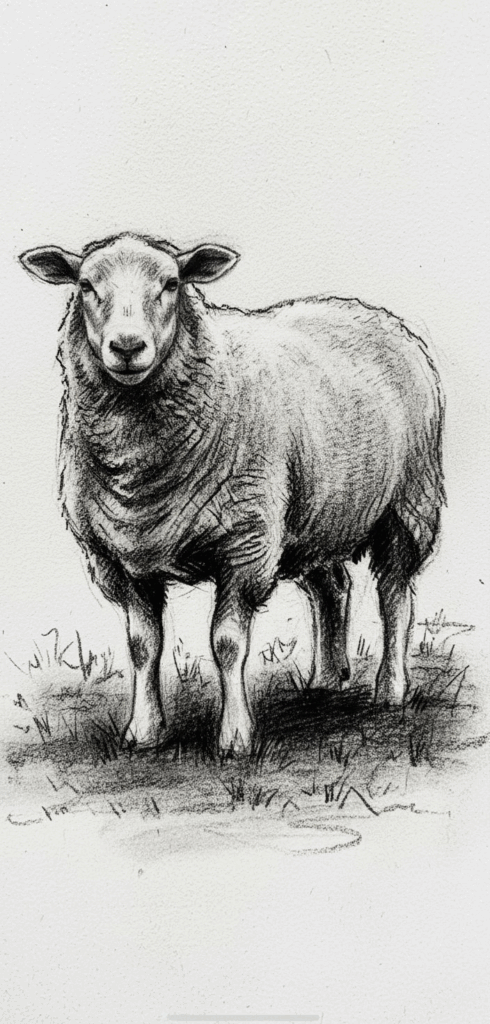
wool (sheep).

Wool is a natural, protein stable fiber that has been used to keep people warm for over 10’000 years despite European wool manufacturing only starting around 1900 BC.

Wool is obtained by shearing sheep, usually in spring or summer. There are over 200 different breeds of sheep worldwide. Quality and touch differentiate from breed to breed, reaching from the softest merino wool to the rather coarse lincoln wool.

Wool is often bleached additionally to its naturally obtained off-white color, as well as treated with extensive amounts of chemicals to remove wool grease and pests.

Sheep flocks can have quite a negative impact on the environment due to overgrazing, excreta, and pesticide release. Sadly, sheep coats release most pesticides, since they get sprayed by them for protection. Furthermore, wool production is an energy- and chemical-intensive process.

Wool is best recycled at the end of its life cycle.

Animal cruelty is a significant issue when it comes to sheep wool. A practice often performed on sheep is mulesing. Mulesing is the practice of the brutal removal of skin around the anus for the protection from pests.

+ PROS

what it gives.

  • holds intended shape well
  • retains air and warmth
  • has high elasticity
  • is moisture absorbent
  • is wrinkle-resistant

− CONS

what it asks.

  • is a rather weak fiber
  • can have skin irritating qualities
  • tends to shrink
  • is prone to moths

ADVICE

what to look for.

Go for recycled wool or choose vegan wool (see Faborg). If not, then choose RWS or IWTO certified wool.

SOURCES & FURTHER READING

where this comes from.

https://cfda.com/resources/materials

https://materialarchiv.ch/en?type=all&q=wool

Textilepedia, Fashionary International Ltd, 2020